Transport Waste Food Shelter Water Energy
Share/Save/Bookmark Site Map Link to Us

Home : WASTE : Jar Organizer


JAR ORGANISER

[For version published in Make, click here]

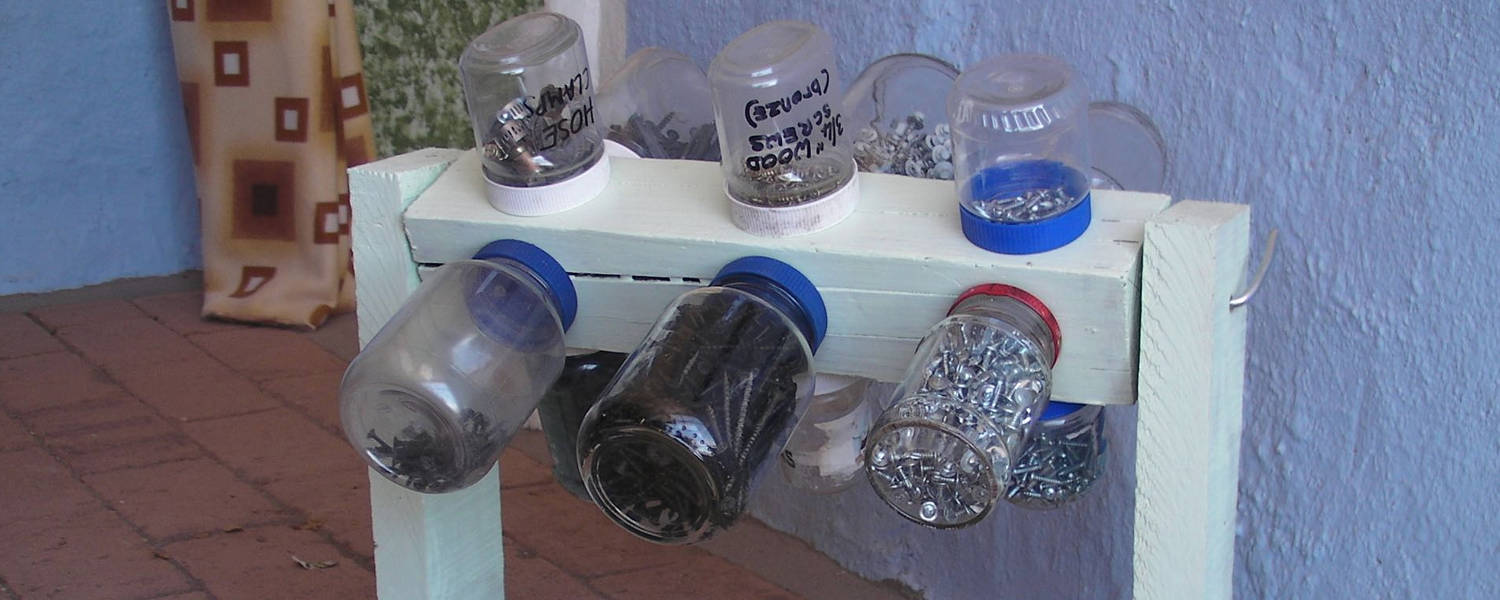
Many people have a bunch of jars that they have used and couldn't bring themselves to throw away. And why would you? They are useful in so many ways. This is just one simple, quick idea on how to reuse old jars.

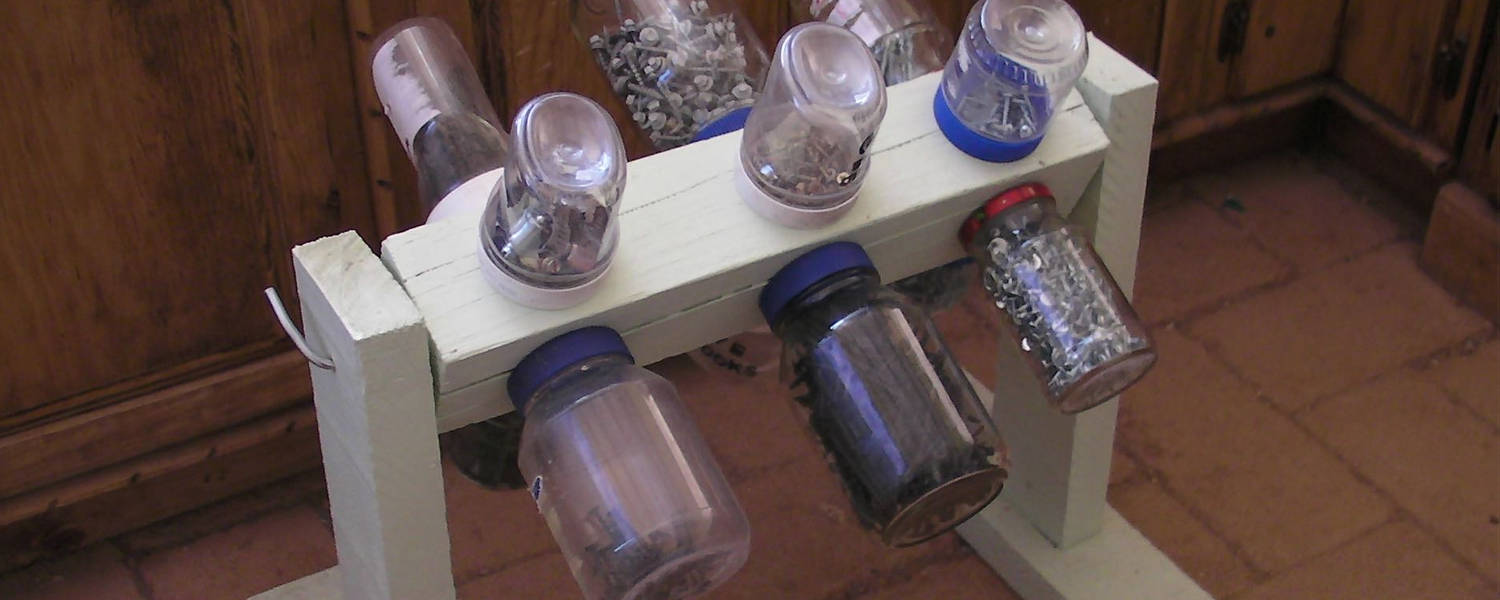
The jar organizer, whether you use it for storing screws, seeds, spices, buttons, electronic parts, or anything else, is very versatile. This design accommodates 12 jars, up to 7” long. However you can vary how many jars you use by just changing the lengths of wood that you cut.  For stability the base wants to be at least the length of your tallest jar. This unit also has space under it to store something, but if you don't want anything under it, you can make it shorter.

We originally used baby food jars, but they ended up self-sealing and we couldn't get them off. So make sure you use a jar that has a proper screw on lid. Plastic is preferable to glass, but not necessary.


DIFFICULTY - Easy


TIME AND COST
– This project can be done in an hour (excluding time for paint to dry). It costs under $10.


MATERIALS

  • 4 pieces of 2” x 4” x 16” Lumber
  • 1 piece of 4” x 4” x 18” Lumber
  • 12 Jars
  • 2 x ¼” x 3” Lag Screws
  • 4 x 3” Wood Screws
  • 24 x ¾” Wood Screws
  • 4 x ¼” Washers

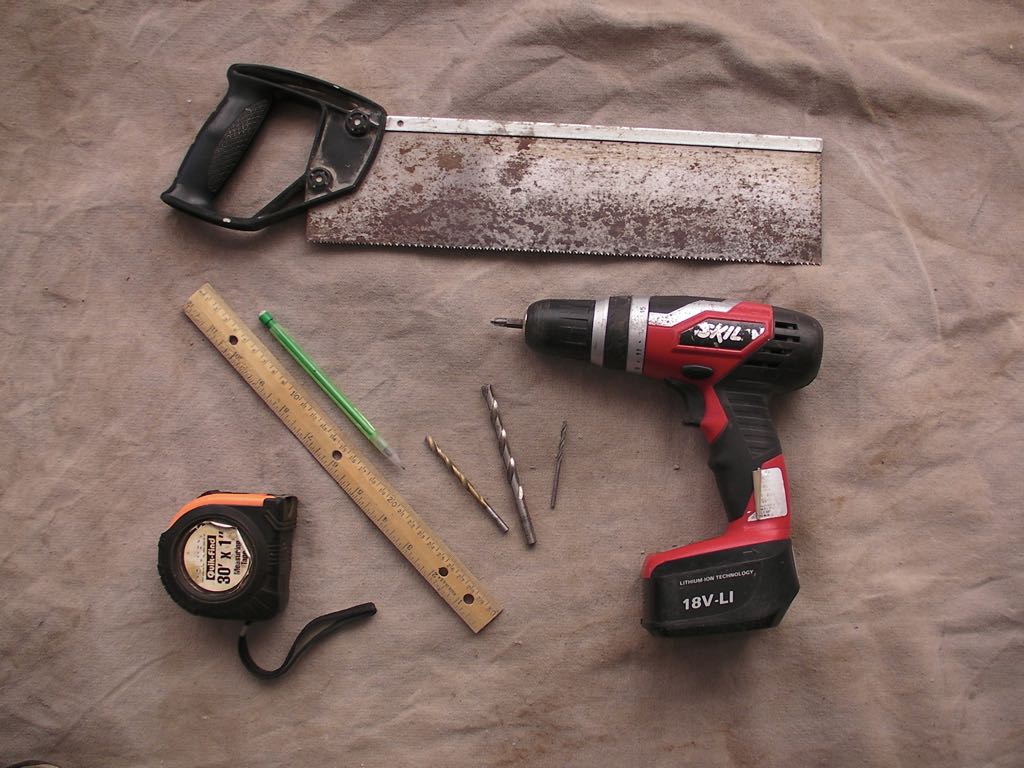
TOOLS
  • Wood Saw
  • Tape Measure
  • Marker
  • Ruler
  • Drill
  • 1/16”, 13/62” and 5/16” drill bits

STEP BY STEP

Preparation
  1. Cut your lumber. 4 pieces of 16” 2” x 4”, and 1 piece of 18” 4” x 4”.
  2. Paint your lumber if you wish.
The Base
  1. On two of the pieces of 2” x 4” (now called vertical pieces), make a mark 2” down from the top, in the center of the board.
  2. Drill out this hole. Use the smallest drill bit first, and work up to the biggest.
  3. Make sure that your lag screws can pass through this hole. If not, drill it out a little more.
  4. Measure and mark 8” along one of the other two pieces of 2” x 4” (now called horizontal pieces), in the center of the board.
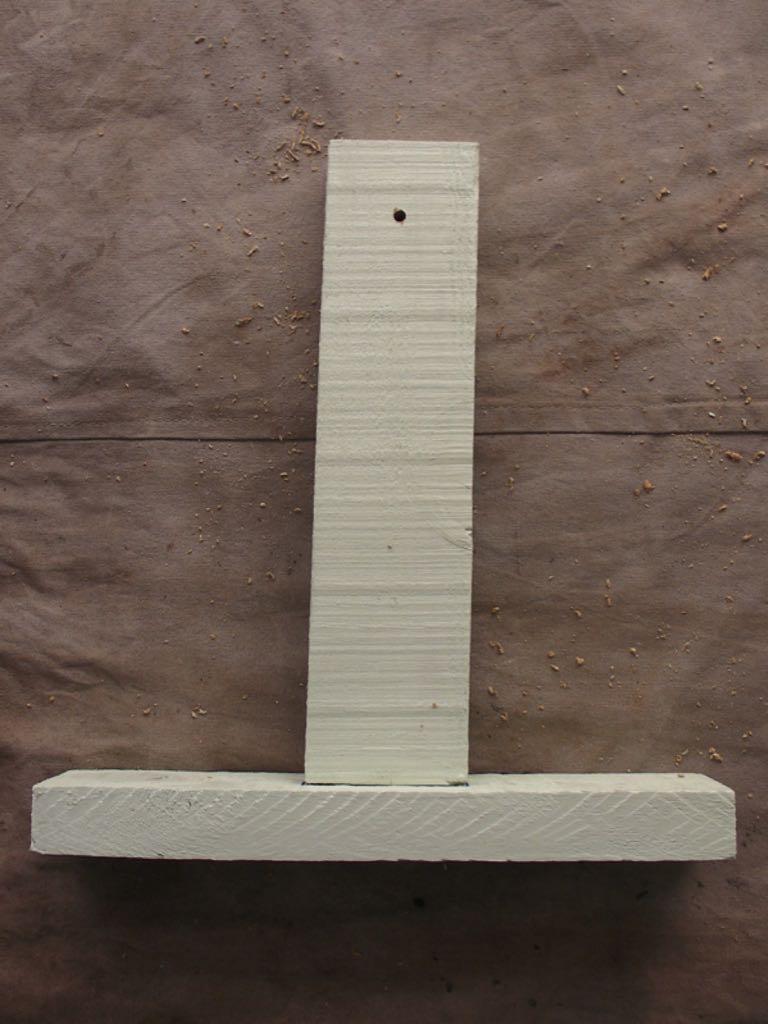
  5. With the hole you drilled out at the top, center one of the vertical pieces over this mark, turning it so that the 4” part runs parallel with the length of the board (as opposed to it being flush with the 4” part of the other board).
  6. Holding the boards together, turn them over so that the “T” is upright.
  7. Using the 1/16” drill bit, pre-dill two holes over the join of the two boards.
  8. Using the 3” screws, screw the boards together.
  9. Repeat this process for the other vertical and horizontal pieces of 2” x 4”.
The Jar Holder

  1. Arrange your jars. You will have 3 jars on each side of the 4” x 4” and you want them to be fairly balanced with the jars that will be on the opposite side of the 4” x 4”.
  2. Remove the lids of each jar.
  3. Using 2 of the ¾” screws per lid, screw the lids into place on the 4” x 4”. It's a good idea to pre-drill the lids to avoid cracking them. You want to leave enough space in between each lid to be able to unscrew the jar comfortably.
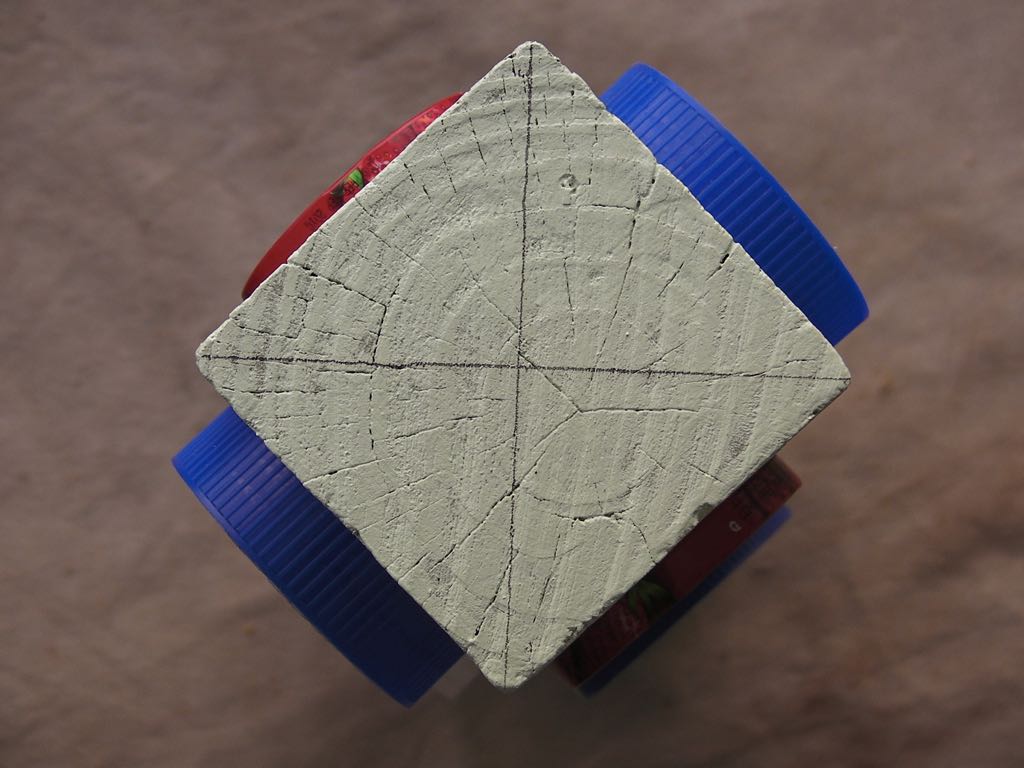
  4. At each end of the 4” x 4”, mark two diagonals line from corner to corner (to get the center point of the lumber).
  5. Pre-drill this center point on each end on the wood. Use the smallest drill bit first for an accurate pilot hole, then use the 13/62” drill bit.
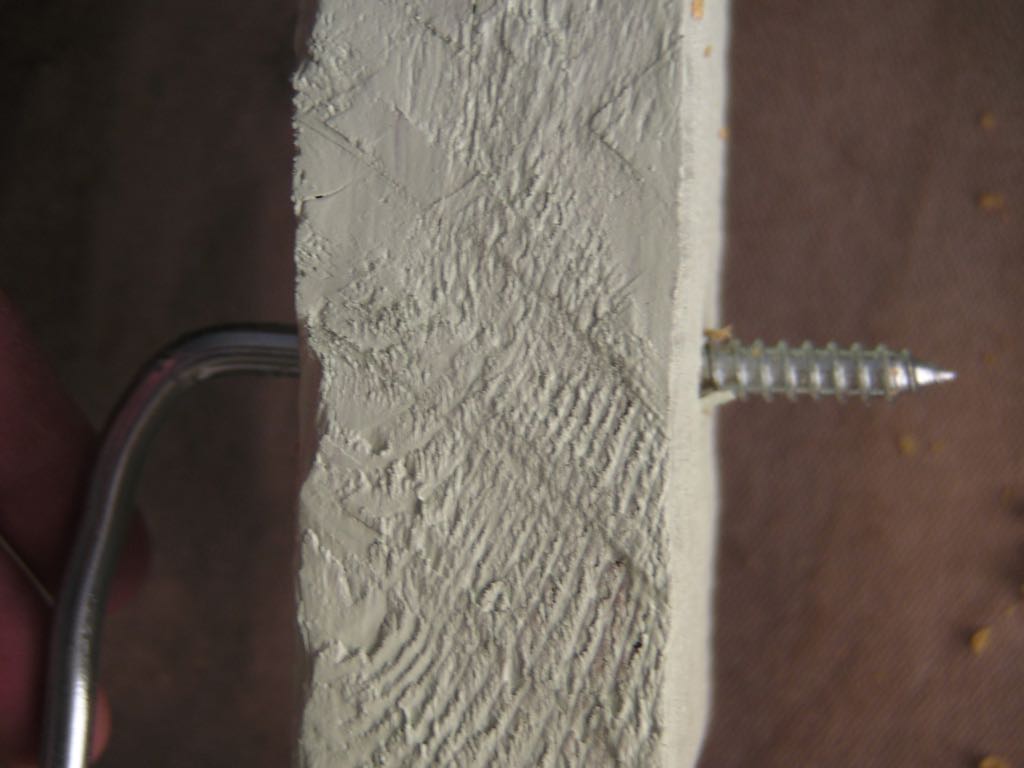
  6. Place a lag screw through its hole in one of the upside-down “T”s, then through two ¼” washers and screw it into the 4” x 4”.
  7. Repeat for the other side.
  8. Screw the jars into their lids. You are now ready to organize that pile of jumbled up “whatevers” into tidy, transparent containers.


PURO YONKE TIPS

This is a great way to reuse old jars. Furthermore, because the pieces of wood required are small, you can often use scrap pieces, as well as leftover paint.


EXTERNAL RESOURCES

 
BOOK SUGGESTIONS
The New Organic Grower: A Master's Manual of Tools and Techniques for the Home and Market Gardener (A Gardener's Supply Book) By Eliot Coleman

The Vegetable Gardener's Bible: Discover Ed's High-Yield W-O-R-D System for All North American Gardening Regions By Edward C. Smith

The Rodale Book of Composting: Easy Methods for Every Gardener From Rodale Books

Seed to Seed: Seed Saving and Growing Techniques for Vegetable Gardeners By Suzanne Ashworth, Kent Whealy

How to Grow More Vegetables: And Fruits, Nuts, Berries, Grains, and Other Crops Than You Ever Thought Possible on Less Land Than You Can Imagine By John Jeavons

Texas Bug Book: The Good, the Bad, and the Ugly By Howard Garrett, C. Malcolm Beck

Lessons in Nature By Malcolm Beck

Root Cellaring: Natural Cold Storage of Fruits & Vegetables By Mike Bubel, Nancy Bubel

The Organic Gardener's Handbook of Natural Insect and Disease Control: A Complete Problem-Solving Guide to Keeping Your Garden and Yard Healthy Without Chemicals
From Rodale Books


Aquaponics-integration of hydroponics with aquaculture (Horticulture systems guide) (Unknown Binding) by Steve Diver

Visit Store >>>

Book Search >>>


Share/Save/Bookmark Site Map Link to Us


HOME ENERGY WATER SHELTER FOOD WASTE TRANSPORT DONATE STORE CONTACT
SITE MAP SAFETY LINK TO US ADVERTISING TERMS OF USE

   If you would like to sponsor a page or project, please visit the Advertising Section.

    All information contained herein, including text, images, videos, sounds or any form of media and/or content is Copyright 2008 Vela Creations.