


Organic waste is a commodity that should never be thrown away. Any trash produced by your homestead can be seen as a sign of inefficiency. To us, the term “waste stream” is an opportunity for further integration within systems.
Many of your waste streams will be organic, and these are the easiest to make use of. One of the most important organic waste streams is manure, but we deal with that in its own article.

No kitchen scraps should end up in the landfill. They are much appreciated by a variety of animals, including pigs, rabbits, fish, BSF, worms, mealworms and poultry. Each scrap, even coffee grinds and eggshells, is food for something.
Our trash system is fairly complicated, as different waste goes to different animals or piles. But it’s not that hard to get used to, even our small kids have got the hang of it, and it means that nothing gets wasted that doesn’t need to be.
We separate the leftovers as we throw them away and then distribute at feeding time. Not only does this avoid unnecessary waste, it also gives the animals a variety in both nutrition and taste. It would be a shame to deny it to them. Read more about integrating wastes and livestock in Food Web.
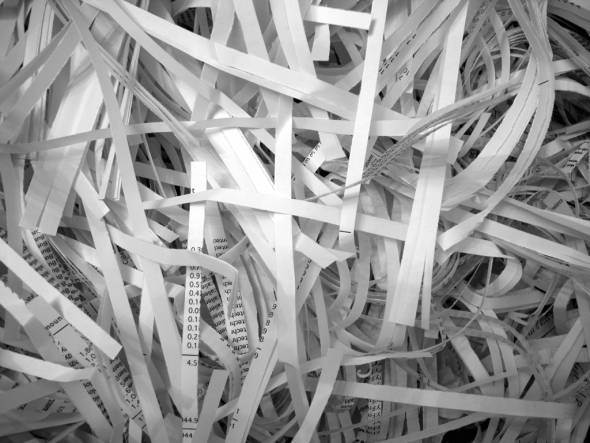
Paper and cardboard can always be composted, but it is better to shred it and use it for mushrooms, worm bedding or as a cover material for your composting toilet. That way it gets used in an additional system before eventually ending up in the compost pile.
Paper is good for kindling in a wood burning stove. You can shred the non-shiny stuff as a bedding for earthworms or mushrooms. Paper can also be made into… paper. Yeah, that’s right, you can make paper at home with old paper. It won’t be as nice and white and thin as the store-bought stuff, but it will be pretty much free and far more interesting. Lots of artists use home-made paper for lamp shades and other decorations in the house.
Paper is also a viable building material. The Japanese are renown for paper walls. And now papercrete is becoming more popular to building experimenters.

Slaughter waste is highly nutritious and makes an excellent feed for dogs, pigs and other omnivorous animals. Even plants benefit from the nitrogen in blood. It can be composted, but why do so when it is so nutritious as a feed.
Viscera and other bits and pieces we don’t use when butchering an animal are extremely high in nutrition and flavor for other animals.
Of course, we would never feed the slaughter waste from an animal to its own kind, nor to an herbivore, but that still leaves many willing mouths.
The dogs, poultry and pigs all wait impatiently when we are butchering rabbits. We give viscera to the pigs, the dogs prefer the heads, and the poultry get certain organs. Even bloody water, used to rinse the carcasses, goes to feed trees. And once we introduce fish to our food web, all will be even happier.
We make a special point of butchering rabbits when a sow has given birth or when we’re about to breed her, as the nutrients are highly beneficial.
Should you have any butcher waste left over, you can also feed it to BSF. They will devour all putrid waste extremely quickly, and will then become a high protein snack for your omnivores.
Don’t get squeamish with blood and guts. They’re part of the process, and a valuable part at that.